Two dates, two source contexts
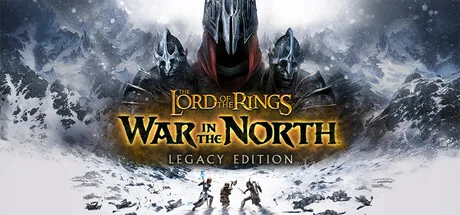
The original PC record is the historical point: 1 November 2011, Windows, Snowblind Studios and Warner Bros. Interactive Entertainment. The current Legacy Edition is the current point: 11 August 2026, Windows and PlayStation 5, Aspyr Media as developer and publisher. These are not two labels for one undated product. They are two records with different platform and publisher fields, and a player should be able to see the difference before following a guide or reading a manual.
The timeline uses the dates as orientation anchors, not as a story about development. Selecting a point changes the detail panel to that edition’s fields. The URL receives a version query such as version=original-2011 or version=legacy-edition-2026, so a copied link can return to the same record. The control is useful because edition ambiguity is often introduced by a search result or an old guide, not by a player intentionally comparing releases.
The current shell is the default route because the project’s official URL is the current Steam Legacy Edition listing. The historical point remains visible because the original manual, Steam app and achievement captures are important source boundaries for player vocabulary. Neither point is hidden behind an archive route; the timeline puts the relationship in the reading field.
Platform fields that change the first question
The current platform field names Windows and PlayStation 5. That is the right first check for a player arriving from the current product URL. The historical platform field names Windows. If an external guide is clearly built around the original PC release, the player can select the historical point before treating its manual wording as a current product detail. The timeline makes the difference visible without asking the player to remember an app ID.
Developer and publisher fields matter for source reading too. Aspyr Media is attached to the current Legacy Edition record; Snowblind Studios and Warner Bros. Interactive Entertainment are attached to the original record. Those names can help a player recognise why a store page, manual and video description carry different dates. They are not used here to infer support policy or future updates. The page sticks to the fields captured in the editions data.
The edition switcher is also a bridge to the rest of the site. Current selection leads naturally to the start path, current stills and the current achievement ledger. Historical selection leads naturally to the manual boundary, observed chapter routes and the official 2011 video records. The page does not duplicate every detail; it tells you which context to carry into the next route.
A practical version habit
When saving a guide link, save the version context with it. A URL with the historical query is a better note than a bare title when the guide refers to app 32800 or the original manual. A URL with the current query is the better note for the Legacy Edition store record and its Windows/PlayStation 5 line. The interaction makes that habit easy without requiring a login or an external account.
The rest of the register follows the same rule. Content pages use the current shell in their title and metadata, while sections that rely on original manual vocabulary call that boundary out. Achievements keep the current Steam-bound 46-row record visible. Campaign chapters keep observed guide navigation rather than presenting a timeless official sequence. Edition context is therefore a thread through the site, not a single isolated table. It changes how a player should interpret a page: current store fields answer the product question, historical source fields answer the manual-language question, and a competitor guide answers only the navigation question its capture supports. Keeping those roles visible makes a return session easier to reconstruct.
If the two points answer your question, continue to the start route for a three-step first session. If the question is source language, continue to Combat and Loot. If it is a player identity or target, use Fellowship or Achievements. The timeline’s job is to make each next route safer to read. It is also the right place to pause before quoting a guide: record the date, note the platform, and keep the external page in a separate tab. That three-part habit is enough to prevent most edition mix-ups while preserving the speed of a player reference. When you save a note for later, keep the selected version query and the source link together; the date alone is not enough if two records share the same game name. The same habit helps when a friend asks a narrow question in the middle of a session. First identify whether the question concerns the current store product, the historical PC manual or a guide’s own route. Then open the matching panel and copy the source link beside the note. The edition record does not promise that a historical instruction works unchanged on the current platform; it gives you the evidence needed to decide what the instruction actually describes. That is a small distinction, but it prevents a player from turning a 2011 field into an unsupported claim about the 2026 listing.