Three heroes, one shared starting question
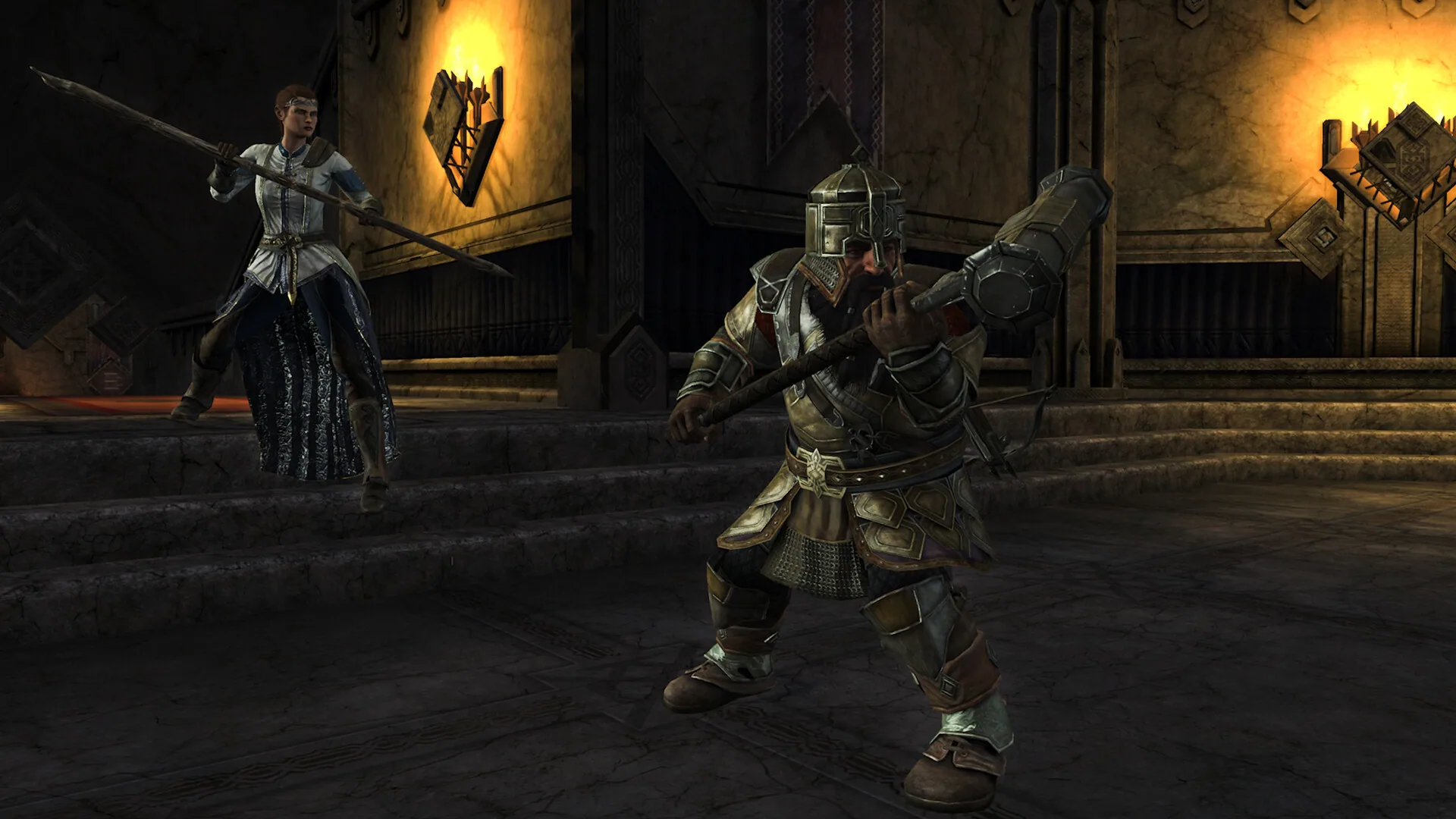
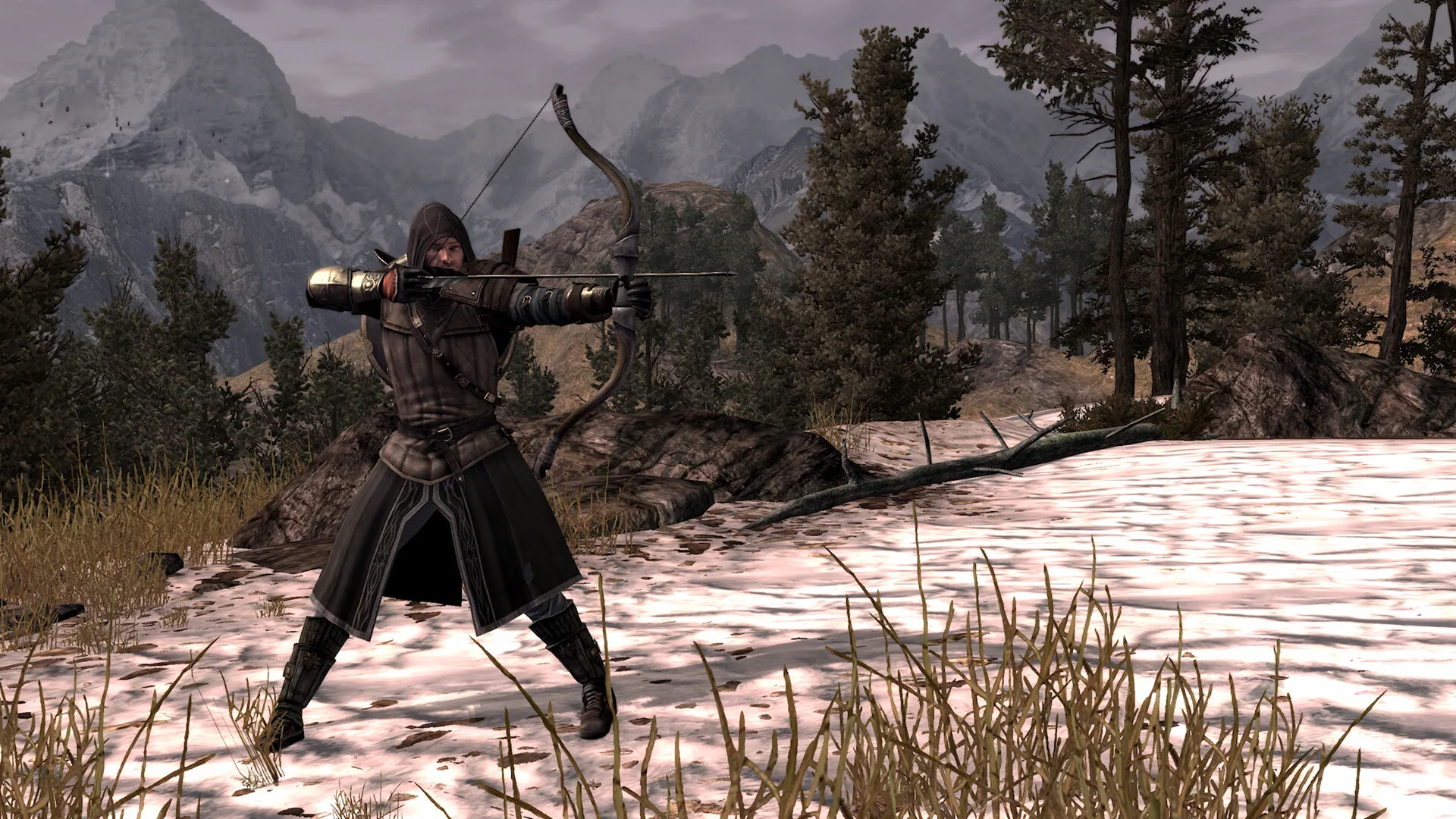
A player choosing a hero usually wants an answer that is immediately actionable. The captured roster can support three such answers: Eradan is the Ranger entry, Andriel is the Elf entry, and Farin is the Dwarf entry. The records mark all three as playable. They do not include a numeric damage table, a level curve or a preferred difficulty, so the comparison stays with the common fields that are actually present rather than dressing a sparse record up as a full build guide.
The common matrix is useful because it puts class and playable status on the same row for every hero. The dedicated pages then add the source boundary, current-edition context and route-specific reading order. This separation matters for returning players: a name can be remembered from an older manual or guide while the current store record is a different edition. The page keeps identity stable without pretending that every descriptive phrase belongs to every release.
Use the local checklist beneath the roster to mark a hero you have tried or want to try next. It stores the stable IDs eradan, andriel and farin in local storage and reports progress with a live status. It does not send the selection anywhere, and it does not alter the game record. The small tool is there to turn the roster into a first-session task without adding an account wall or a decorative control with no data behind it.
Reading the class labels without overclaiming
Ranger, Elf and Dwarf are useful orientation labels. They let a new player recognise the three records when a guide or a co-op conversation uses a role name rather than the character’s full name. They are not, on this page, a substitute for a numerical build sheet. The comparison toggle therefore exposes only Class and Playable, the two common fields named in the product contract. The matrix is intentionally plain because clarity is more useful than a row of invented attributes.
The dedicated Eradan, Andriel and Farin pages repeat the same identity fields and add a player-facing reading path. Each page makes the original-manual boundary visible where it matters, links to a source, and shows the UTC capture time. That repeated context is not filler: it prevents a detail page from becoming a floating character claim with no edition anchor.
If you are deciding with friends, use the names as a conversation map. One player can take the Ranger record, another can choose the Elf record, and a third can inspect the Dwarf record. The achievement ledger includes a two-other-player objective, but the roster itself does not promise that a specific class combination is required. The useful fact is the roster; the preferred party is a player choice.
Where to go after choosing
After the hero choice, read Combat and Loot for the shared action vocabulary. The page connects War Cry, Sanctuary, Evasion and elfstones to the original manual boundary, then gives a practical loop for noticing how those terms affect a session. This is more useful than attaching unsupported strengths to a hero, because the sealed hero data does not include those numbers.
When the question becomes “where am I going?”, the Northern Campaign and Warfronts pages provide the named route. When it becomes “what should I look up?”, Foes and Bosses and Achievements provide tables. The Fellowship page is therefore a hub: it makes the first selection clear and sends the player to the route that answers the next question.
The three detail links remain separate even though the roster is short. A direct search for Eradan, Andriel or Farin should land on a page with a real source record, not on an anchor buried in a generic list. That structure also gives future locale files a stable translation target: the English prose can be translated by route while the canonical hero names and IDs remain intact.