How to use the foe ledger
Start with the name you actually have. A guide heading, achievement objective or co-op conversation may use Agandaûr, a Warg or a broader family such as Orcs. The table preserves the exact captured spelling and lets you choose the dedicated Agandaûr route when the record is specific. It does not flatten every enemy into one invented tier list, because the sealed data does not provide a common numeric field that would support that comparison.
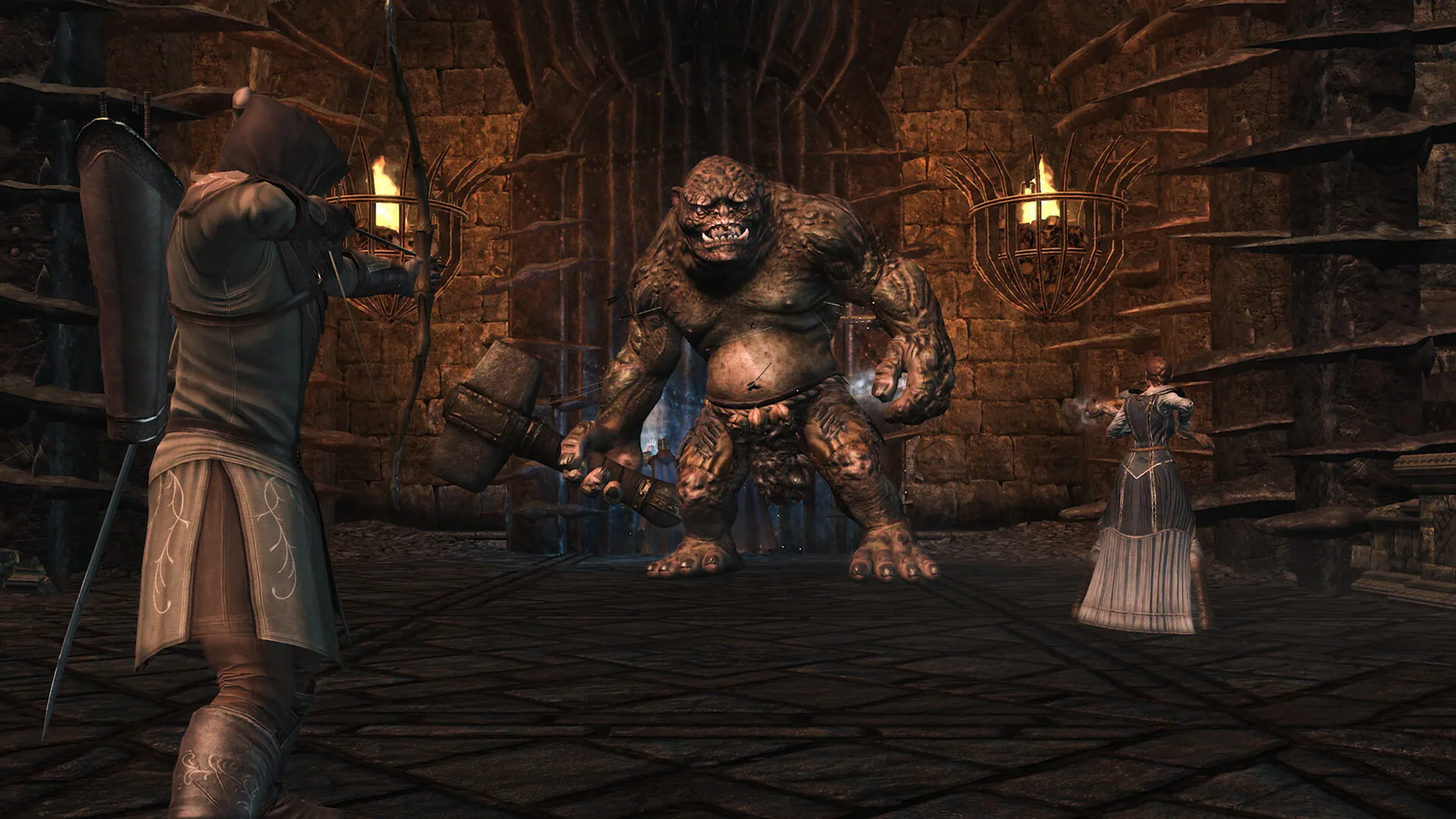
The eight entries are useful as a shared vocabulary across the campaign and combat pages. Wargs, Barrow-wights, Fell Beasts and Creatures of Shadow give a player distinct names to search. Spiders, Orcs and Trolls provide broader enemy labels that can appear in a guide or achievement context. Agandaûr has the additional Black Númenórean field, which is why he is the named boss detail rather than just another row in the family table.
When a player recognises a foe, the practical next action is to connect the name to a route. Check Warfronts for location orientation, Campaign for observed chapter navigation, and Combat and Loot for the shared action language. That sequence makes the table useful during play without pretending that a short captured record can explain every encounter behaviour.
Foe families without a fabricated stat block
A family name is still a real lookup field even when it is not a complete bestiary entry. Wargs, Spiders, Orcs and Trolls can help a player understand what a guide is referring to, and they can be used as search anchors when a page title is abbreviated. The page gives each row a captured kind and a source link, but it does not assign health, resistance or loot values that are not present in the sealed record.
Barrow-wights, Fell Beasts and Creatures of Shadow are kept as their own entries rather than folded into a generic “monsters” line. That preserves the language a player will encounter in the game’s source ecosystem. It also makes the route-search interaction meaningful: a search for a named family returns a real row, while a search for Relentless returns the achievement ledger rather than a decorative suggestion.
The table’s structure is intentionally stronger than a string of prose. Each record has a name, a kind and a route, and the boss record adds a dedicated source-bound page. A player can scan the rows on desktop or use the responsive table card treatment on a phone. The data remains a data component so that the eight records are not lost inside an introduction.
Agandaûr as the dedicated boss record
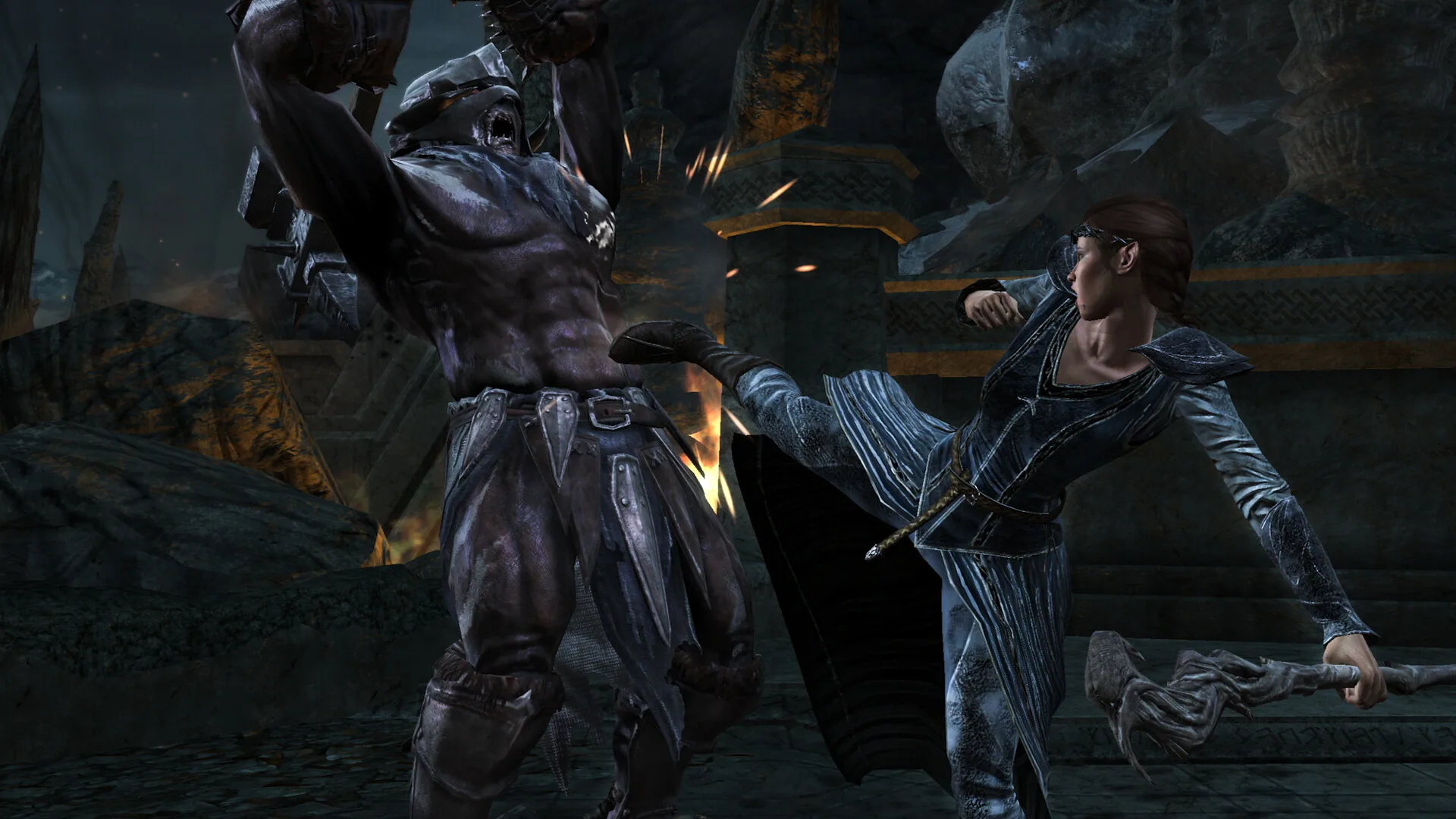
Agandaûr is recorded as a Black Númenórean, and the official Fellowship video capture names Agandaur in its northern-story description. The dedicated page keeps that field visible and adds a source time, current edition note and a path into the combat guide. The spelling with the diacritic is preserved on the register while search also remains useful for a visitor typing the name without surrounding prose.
The page does not claim a full boss phase guide from the available records. Use the combat route for the general recognition-and-response loop, then follow the official video link when you want the first-party visual context. If a third-party guide supplies a more detailed encounter sequence, the external link is a separate source boundary rather than something silently merged into this row.
That division keeps the foe page practical. The table answers who or what the name refers to, the detail page answers which structured fields are captured, and the system guide answers how to think about actions. A player can move between those pages while retaining the same edition and source context.
From a foe name to an objective
The achievement ledger provides a second lookup layer. It includes Foe-hammer, Fell-handed, Bane of Mordor, Giant-slayer, Troll’s Bane, Mountain-breaker, Spider-slayer and other exact records. The foe table does not promise that every name maps one-to-one to an achievement, and the achievement page does not replace a bestiary row. Instead, the two pages can be read together when a player wants to turn an enemy name into a concrete target.
Use the achievement filters to isolate records with objective text, then return to this table for the canonical foe spelling. That workflow is particularly helpful for a player who remembers the target but not the exact objective wording. It also keeps the current Steam-bound count of 46 visible, so a player does not confuse a partial checklist with the complete record.
The register’s core promise is therefore lookup with boundaries. Eight foe records, one dedicated boss route, exact achievement rows and a system guide provide enough structure for a player’s next action. The page does not need to become an encyclopaedia to be useful; it needs to preserve the labels that lead somewhere real. When a player returns after a session, that simple structure is valuable: search the enemy name, verify the source kind, follow the route and keep the exact objective separate from the broader encounter context. A small lookup table is often more useful than an unsupported bestiary because it gives the player the exact word needed to search the campaign, guide or achievement record next.