Why the version check comes first
The current Steam product has a different store identity from the original app. Its title includes Legacy Edition, its release date is 11 August 2026, and the platform record includes Windows and PlayStation 5. The original Steam app is app 32800, dated 1 November 2011, with Snowblind Studios and Warner Bros. Interactive Entertainment in the captured records. A guide that says only “the game” can therefore be pointing at the same story world while still describing a different release context.
This distinction matters for a beginner because the surrounding information changes shape. Current store language is the right place to confirm purchase and platform context. The old manual is the right place to recognise phrases such as War Cry, Sanctuary and Evasion as the vocabulary of the original PC-era reference. The achievements record has 46 entries for the bound Steam version, while the current product page supplies the modern edition identity. The starting route keeps those uses side by side without collapsing them.
Use the edition timeline if a result looks ambiguous. Select the current point when you need the Legacy Edition name or the Windows and PlayStation 5 platform line. Select the historical point when a guide cites app 32800, a 2011 date or the original PC manual. The switcher changes one atomic panel and writes a version query to the URL, so a copied link can preserve which record you were reading.
What to do in a first session
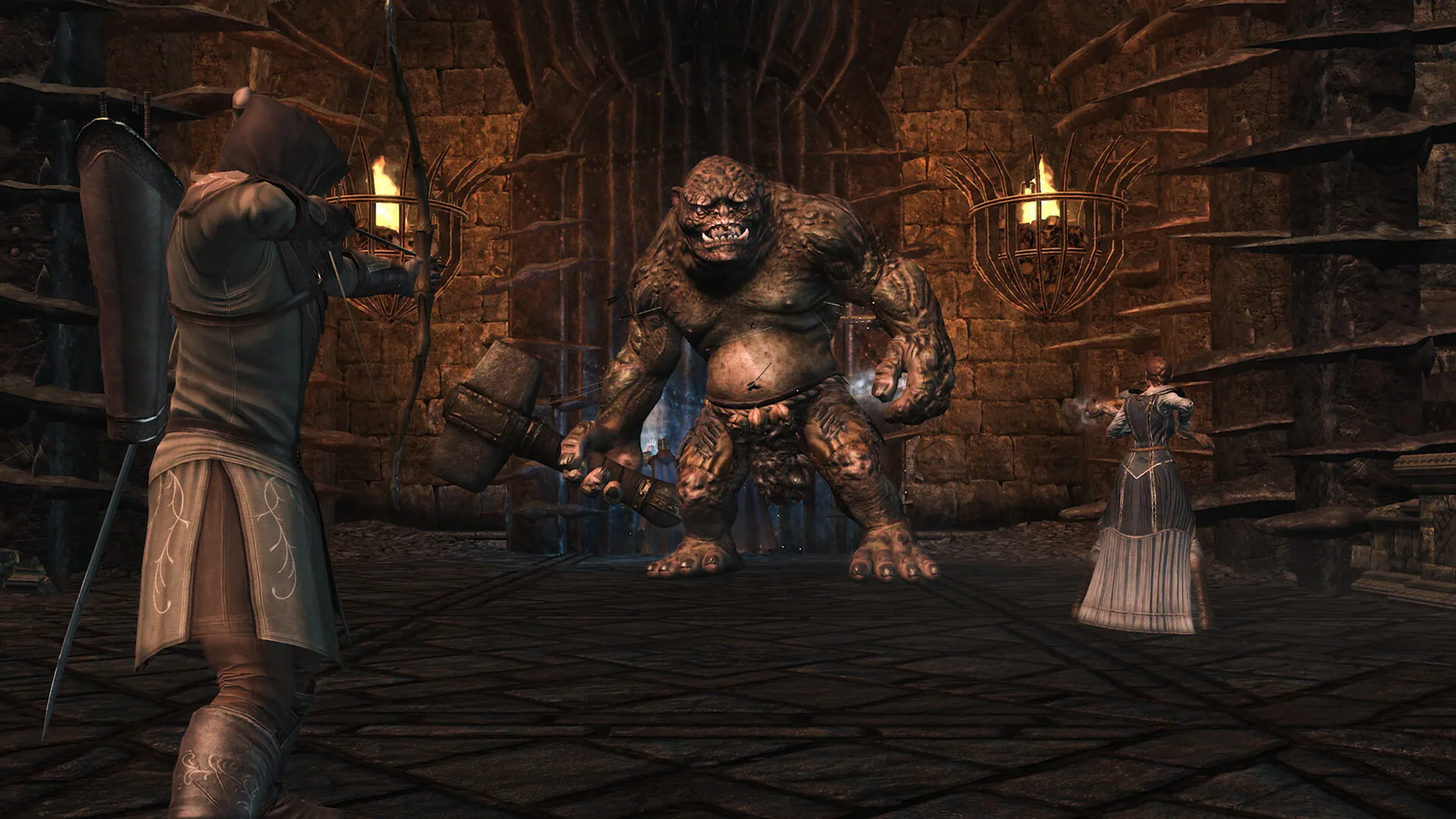
Pick one of the three heroes from the roster and use the Fellowship checklist to hold the choice. Eradan is the Ranger record, Andriel is the Elf record, and Farin is the Dwarf record. The register does not attach invented damage values, skill trees or preferred difficulty to those entries. Instead, it gives you the role label that the captured roster actually supports, then points to Combat and Loot for shared system vocabulary.
During the opening read, pay attention to the difference between a player action and a source claim. “Choose a hero” is a useful task. “This hero always deals more damage” would require a bound numerical record that is not present here. The guide’s practical advice is therefore about sequencing: identify the edition, choose a hero, learn the control words, and save exact objectives for the achievement ledger. That keeps the first decision small and verifiable.
If you are joining other players, the three-hero record is a useful conversation starter. The achievement list includes a cooperative objective about defeating an enemy with two other players, but it does not turn that objective into a claim that every encounter requires a fixed party. Read the wording as a target to pursue, then use the systems guide to understand the shared terminology. The player task remains clear without inventing matchmaking rules.
Where the first route leads
The Fellowship page is the best next stop when the open question is “who should I play?” It presents the three records in a common comparison matrix, then gives each hero a dedicated page. The local checklist remembers stable hero IDs only, so it can be cleared or changed without changing any game data. The dedicated pages repeat the edition and capture context, which helps a search visitor understand why the same name can appear beside different source boundaries.
The Combat and Loot page is the best next stop when the question is “what do these words mean?” It covers the original manual boundary, the role of Sanctuary and War Cry, Evasion, elfstones and the player’s loop for checking drops. The route is deliberately written as a guide rather than a glossary: each section connects a term to a decision, then points to the exact source link used for the vocabulary.
The Northern Campaign and Warfronts pages are the best next stops when the question is “where does the route go?” The chapter record preserves the observed missing chapter seven boundary, while the warfront table names Bree, Rivendell, the Misty Mountains, Mirkwood, Gundabad, Carn Dûm and Fornost. From there, the Foes and Bosses and Achievements records provide exact lookup instead of another broad introduction. Keep the first session modest: identify the product, choose the hero that fits the group, learn one named system and leave completion targets for the achievement ledger. That sequence gives a new player a real decision at every step and avoids making a historical guide carry modern assumptions. It also leaves a clear return point: after the first run, open the exact objective record, compare the selected edition and use the campaign table to recover the next location without re-reading every introductory page. Before you leave the route, note which hero you selected and which edition record you checked; those two small facts make a later question much easier to place.