Player questions with a next route
The FAQ is intentionally arranged around player actions rather than site categories. A player may ask which edition they are looking at, which heroes are available, where the northern route goes, how many achievements are captured or why an old manual appears in a current guide. Each question has a short answer and a route link so it can serve as a landing page without becoming a dead end. The structured records remain the detailed lookup layer.
The answer style also respects the difference between a stable field and a source boundary. The current store record supports the 11 August 2026 date, Windows and PlayStation 5 platforms and Aspyr Media. The historical edition supports the 1 November 2011 Windows record and original manual context. The roster supports Eradan, Andriel and Farin. The FAQ can connect those facts, but it does not fill a missing field with a confident guess.
When an answer names a target, the achievement route carries the exact objective. When it names a place, the Warfronts route carries the seven structured rows. When it names a guide boundary, Campaign keeps the missing chapter seven visible. This makes the page useful for search while keeping the deeper claims where their sources and data components can be inspected.
Common answers
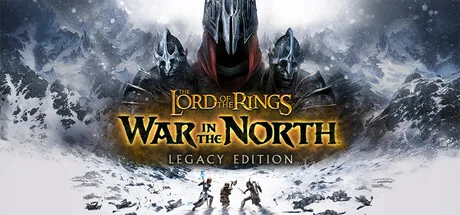
Which edition is current? The current record is The Lord of the Rings: War in the North™ - Legacy Edition, released on 11 August 2026, with Windows and PlayStation 5 listed and Aspyr Media named as developer and publisher. The Editions and Platforms page places it beside the original 2011 Windows record so a player can carry the right context into a guide.
How many playable heroes are recorded? Three: Eradan the Ranger, Andriel the Elf and Farin the Dwarf. The Fellowship page provides the common comparison matrix and local checklist. The sealed roster does not provide a full numerical build sheet, so the hero detail pages focus on identity, class, playable status and source boundary.
How many achievements are in the current ledger? Forty-six current Steam-bound records are rendered on the Achievements page, with exact names, captured objective text and one manifest-backed icon per row. The filter can show all records, those with objective text or name-only records. A blank objective remains blank rather than being completed with an inferred condition.
Which locations are named? The seven warfront records are Bree, Rivendell, the Misty Mountains, Mirkwood, Gundabad, Carn Dûm and Fornost. The official Touchpoints description names the first six in its northern journey reference, and Fornost is retained as the dedicated planned location detail. The Campaign page keeps chapter navigation as a separate record.
Why does the campaign list show a gap? The captured guide chapter data includes chapters one through six and a final chapter numbered eight. Chapter seven is kept as a visible boundary because the record does not supply a chapter-seven entry. The external guide links are observed navigation evidence, not a replacement for a complete official chapter table.
Where does the original manual fit? It is a historical source for the original PC context and terms such as Hero Mode, Sanctuary, War Cry, Evasion and elfstone. It is not the current Legacy Edition store record. Combat and Loot places its vocabulary beside a current player loop, while Editions and Platforms makes the two dated records selectable.
Is Agandaûr a recorded foe? Yes. The foe record identifies Agandaûr as a Black Númenórean, and the official Fellowship video capture names Agandaur in the northern story context. The dedicated boss page provides identity fields and sources; it does not invent a phase-by-phase tactics table from a record that does not contain one.
What does the competitor landscape tell a player? The research capture observed coverage routes: lotr-fandom exposes broad overview, character, foe, location and event coverage but its direct page was blocked; StrategyWiki resolves a representative overview and guide navigation; Gamepressure exposes a guide index with chapters, locations, combat and other route families. Those observations help a player choose where to click, but they are not adopted as authoritative game facts here.
Competitor coverage at the research boundary
The competitor table is a landscape record, not a ranking. lotr-fandom is captured for overview, characters, foes, locations and events, with direct page access blocked at the boundary. StrategyWiki is captured for a game overview and guide navigation, with a representative page resolving. Gamepressure is captured for a guide index covering hints, characters, statistics, special abilities, equipment, side quests, combat, chapters and locations, with 48 same-site routes observed at the index boundary.
That breadth matters because it tells a player what kind of link they are opening. A guide index may be the right destination for chapter navigation; a community overview may be a useful vocabulary check; a direct official store or video link is the right destination for current product and first-party media fields. The questions page keeps those roles separate instead of turning a competitor route into an unlabelled citation.
The table uses coverage and access fields from the structured record. It does not score accuracy, freshness or completeness. A source may have broad navigation and still be historical; a blocked page may still have a captured route family and no direct page available. Those distinctions make the landscape useful without overstating what was observed.
Choose the route that answers the next question
If your question is “what should I play?”, use Fellowship. If it is “what happened to the chapter list?”, use Northern Campaign. If it is “what is this name?”, use Foes and Bosses or Achievements. If it is “what does this term mean?”, use Terms of the North or Combat and Loot. If it is “which product am I reading about?”, use Editions and Platforms. The FAQ is useful because it makes those handoffs explicit.
The first viewport keeps a player task visible on mobile, and the source links remain attached to the answers. External competitor and official links open in a new tab with safe rel attributes. Same-origin route links remain internal, so moving from a question to a record does not leave the site’s language and edition shell.
For a return visit, use the route search at the top of the page. It searches route labels and the deep hero, foe and achievement records, including Fellowship and Relentless. The FAQ then becomes a second starting point: a player can arrive with a natural-language question, take the direct route and land on a table or guide that carries the exact record.