The chapter boundary is part of the record
The captured chapter data runs through chapters one to six and then records chapter eight. The absence of chapter seven is not silently repaired here. A neat list would be easier to scan, but it would also imply a source entry that was not captured. The page therefore presents the missing number as a boundary marker and describes the guide routes as observed navigation. If a player reaches a guide page that uses a different naming scheme, the number and URL give them a concrete way to compare the two records.
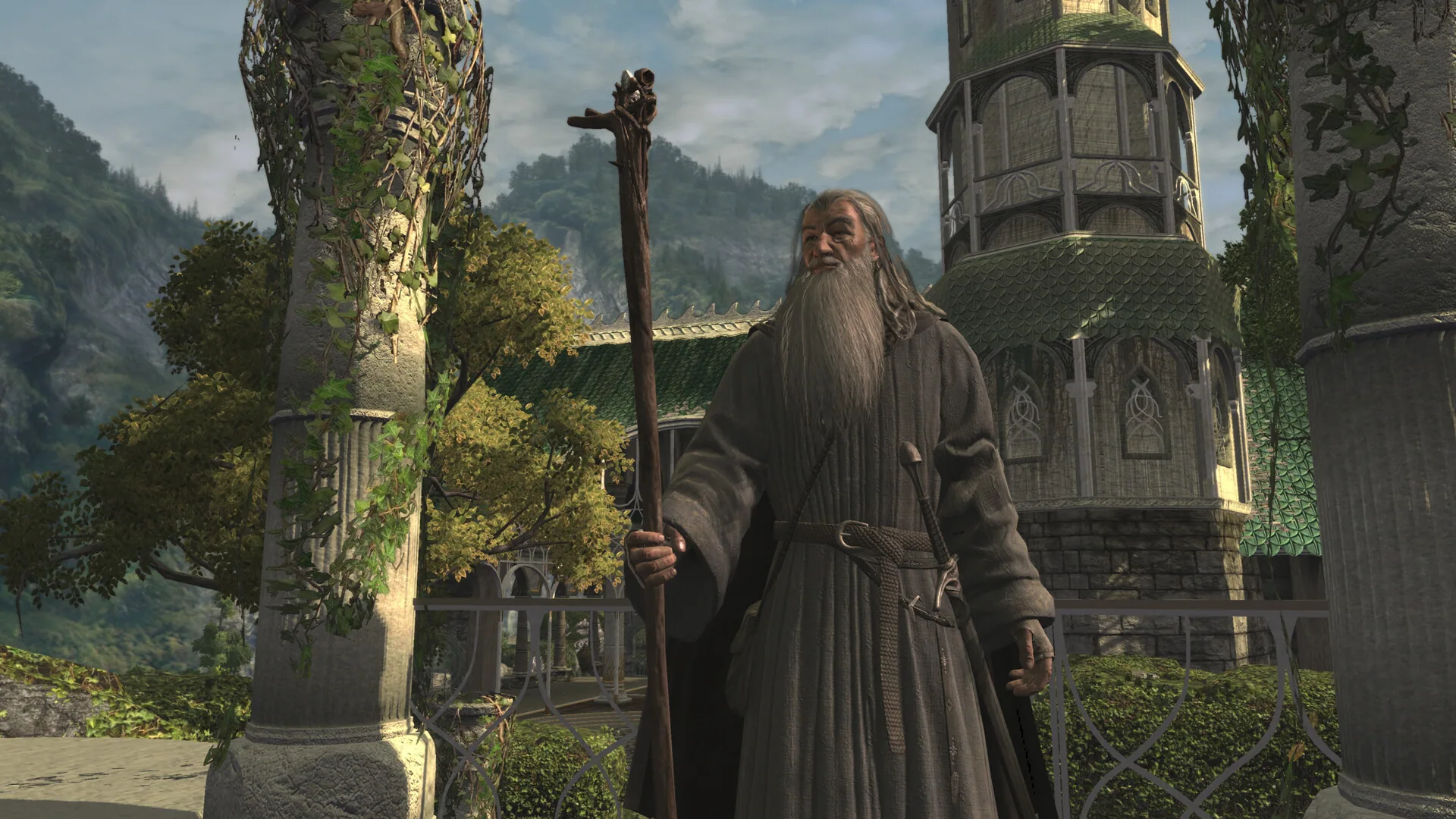
This approach is useful for a campaign page because external guides often expose their structure through navigation before they expose every page’s full content. The bound Gamepressure route is a guide boundary, not a publisher statement. The official Touchpoints description adds a separate geography signal by naming Bree, Rivendell, the Misty Mountains, Mirkwood, Gundabad and Carn Dûm. Those two source types meet here as complementary orientation: one supplies chapter navigation, the other supplies place names in an official video description.
The player-facing result is simple. Use the table to choose an observed chapter route, note the gap if you are cross-checking a walkthrough, and use the Warfronts page when you need the named locations rather than a chapter number. The register does not ask you to trust an inferred chapter seven, and it does not turn a guide’s order into a claim about canonical chronology. It keeps the useful path while showing its edge.
How to read the campaign table
Each row has a chapter number, a source-bound guide route and a short boundary note. The number is the strongest navigation key because it is captured directly in the structured chapter record. The route is a clickable external link and opens in a separate tab. The boundary note tells you that the record supports observed guide navigation only, which is a meaningful distinction when a player is looking for a complete story summary or a collectible checklist.
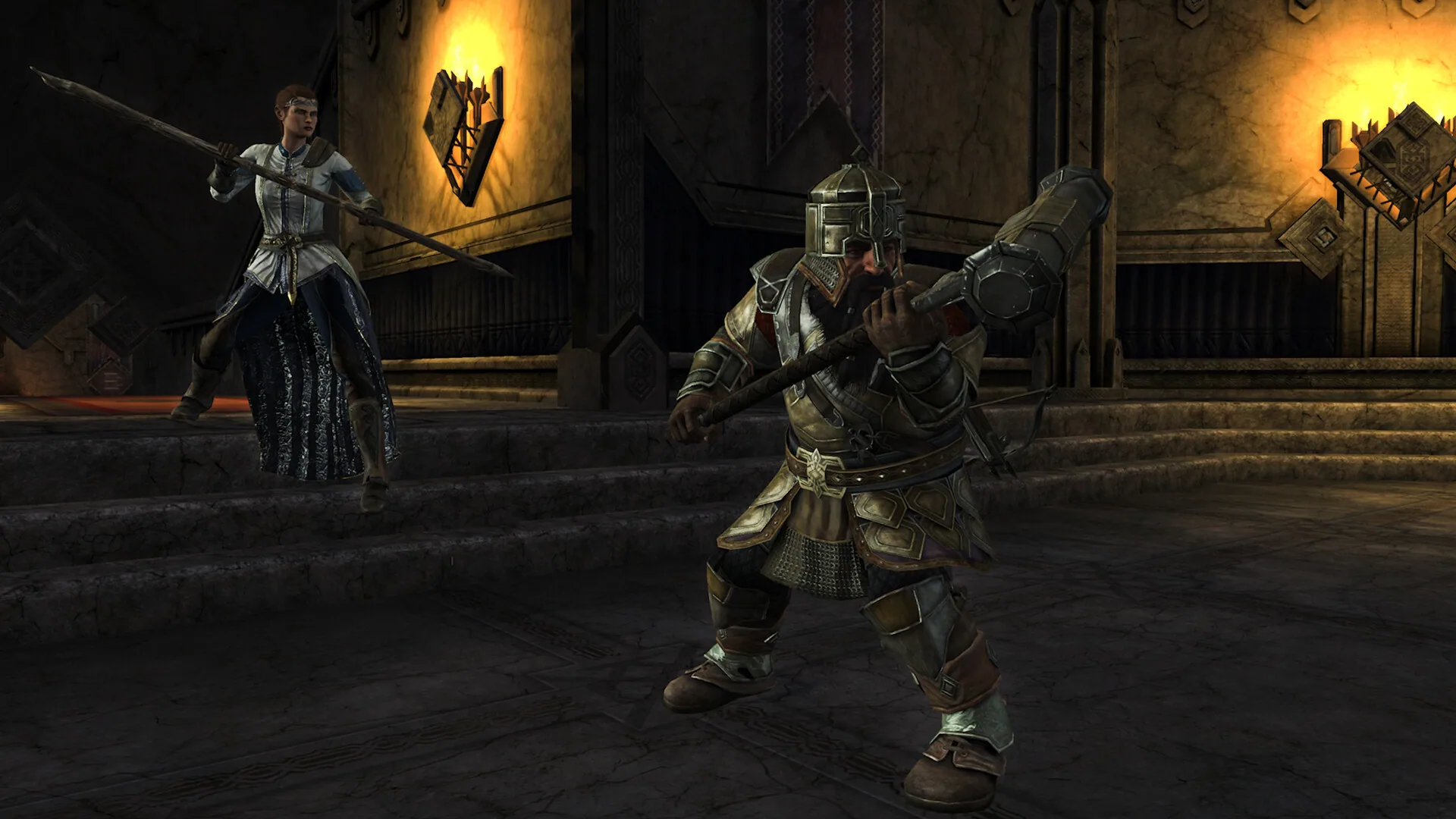
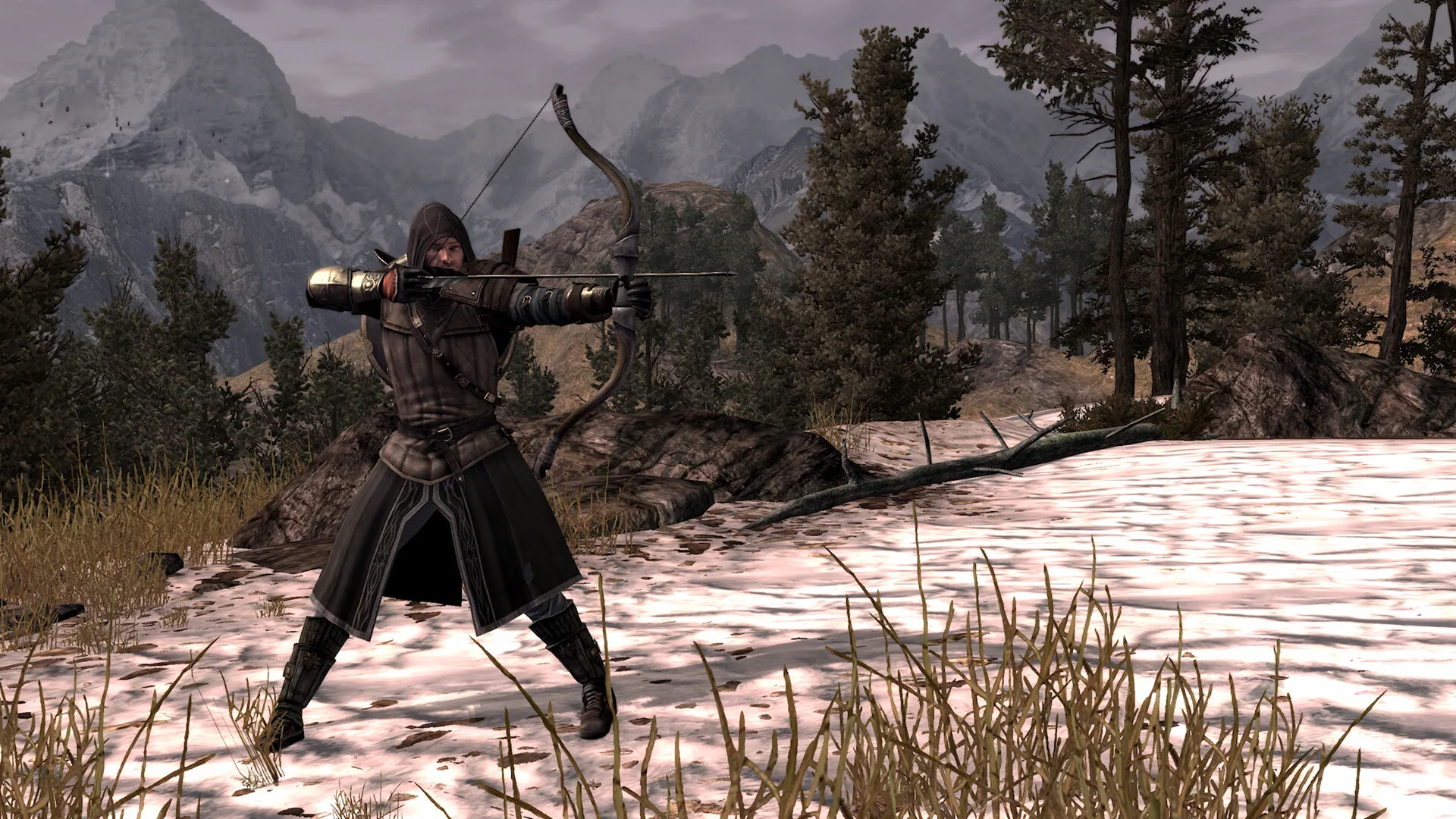
Start with the early rows when you want a broad entry point, then use the hero and system pages alongside the guide. The Fellowship route answers who the three playable characters are. Combat and Loot explains why terms from the original manual may appear in a 2011 walkthrough. The current editions record explains why a modern storefront can be dated 2026 even when the historical guide material is tied to the original PC release. The campaign table becomes a hub rather than a single source of all facts.
When a row links to a guide, keep the external context in mind. The link is useful because it exposes a route a player can follow, not because the site is adopting every sentence on that page as its own fact. The official video links in the media route provide the separate first-party visual record. Together, those links make the page honest about what is observed, what is official, and what remains a navigation boundary.
Seven named fronts beside the chapter register
The warfront record gives the campaign a geographic frame: Bree, Rivendell, the Misty Mountains, Mirkwood, Gundabad, Carn Dûm and Fornost. The first six are named in the official Touchpoints description captured for the project. Fornost is retained as the planned location detail route and has its own page. This does not mean that every named location has the same capture depth. It means the player has a stable set of labels for sorting the campaign’s places.
A useful way to use the list is to compare a guide’s chapter label with the place labels without forcing a one-to-one mapping. A chapter may be a narrative or navigation unit, while a warfront is a location record. Keeping the two dimensions separate prevents a player from assuming that a source’s chapter number is also a canonical location order. The pages link to one another so that a location lookup does not need to be rebuilt from a guide index.
Fornost deserves the dedicated page because it is the detail record bound into the route plan. There, the page preserves the location fields, the source time and the current still treatment. For the other fronts, the table is the right level of detail in this stage: it provides name, setting note and source boundary, then sends the player back to the campaign register or forward to the relevant system and foe pages.
A campaign route that stays useful
A campaign index earns its place when it reduces the cost of the next decision. Here the decisions are whether to follow an observed chapter link, whether to inspect a named warfront, and whether an old guide is speaking about the original PC context. The page handles those decisions with a table and cross-links rather than a long unstructured synopsis. That is why the chapter gap remains visible: it saves a player from treating a smooth-looking list as stronger evidence than it is.
For a first playthrough, pair the route with the Start page and the Fellowship checklist. For a return session, pair it with Foes and Bosses and Achievements. A player chasing Relentless, War Machinist or any of the other 46 current records needs the exact objective wording, not a guessed chapter placement. The campaign route deliberately points to that ledger instead of duplicating it.
The result is a northern index that can be expanded when new bound records become available without changing its current claims. A future source can fill a boundary with a dated record; until then, the visible gap and source labels are part of the page’s practical value.